


The U.S. Department of State has released the January visa bulletin 2025, providing critical updates on immigrant visa availability for the final month of the first quarter of fiscal year 2026. Understanding the visa bulletin January 2025 is essential for anyone navigating the immigrant visa process, whether you’re waiting for a family-sponsored green card or an employment-based immigrant visa.
This comprehensive analysis of the January visa bulletin will help you understand where your case stands and what actions you should consider taking this month.
Understanding the December Visa Bulletin 2025: The Basics
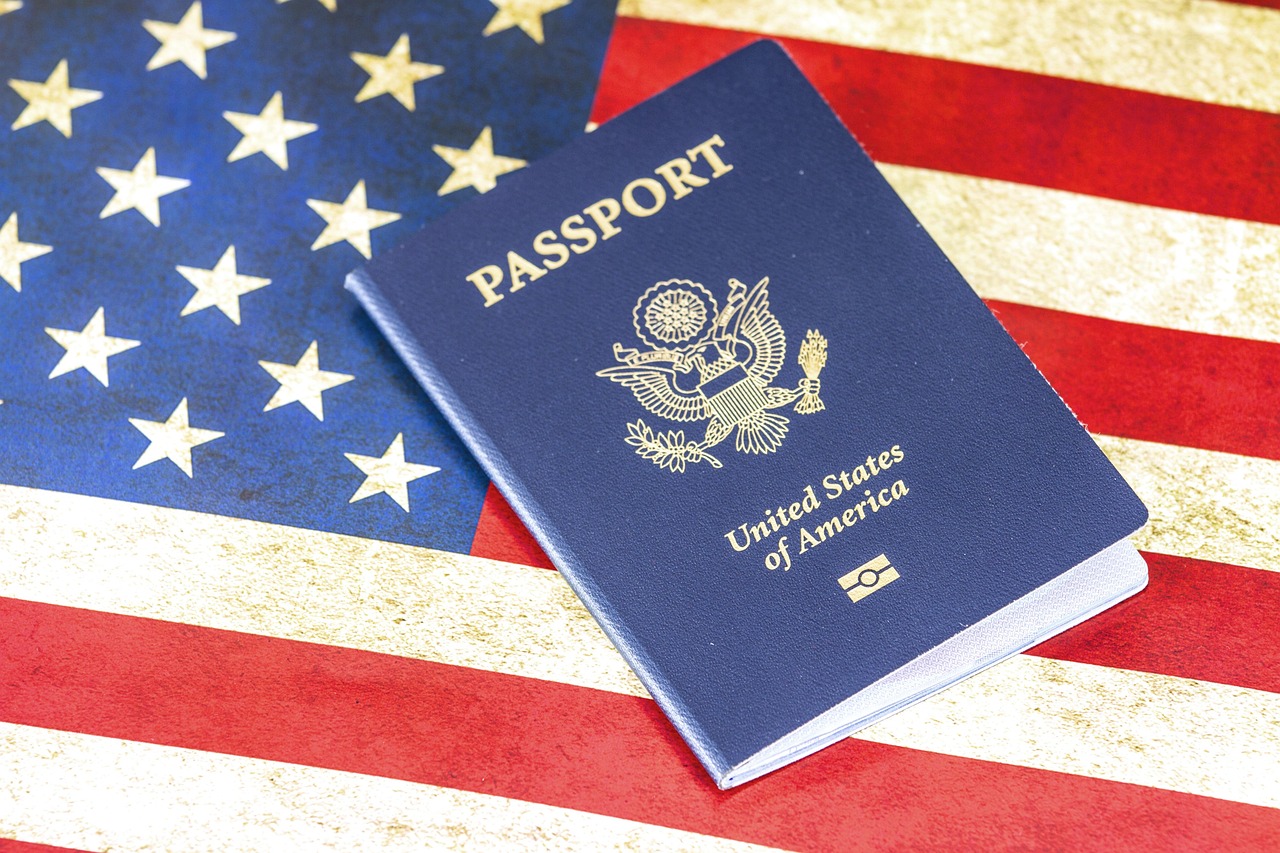
Before diving into the specific numbers, it’s important to understand what the US visa bulletin represents. The visa bulletin is published monthly by the Department of State and indicates when immigrant visa numbers become available for applicants based on their priority date and visa category.
Two Critical Charts
Final Action Dates: This chart tells you when your visa number is actually available and when you can receive your immigrant visa or green card
Dates for Filing: This chart indicates when you can submit your adjustment of status application (if eligible) or when the National Visa Center will begin processing your case
The uscis January visa bulletin 2025 follows standard statutory allocations, with 226,000 family-sponsored preference visas and at least 140,000 employment-based preference visas available for fiscal year 2026. The per-country limit remains at 7% of the total annual allocation (25,620 visas), which particularly impacts applicants from oversubscribed countries: China, India, Mexico, and the Philippines.
Family-Sponsored Visa Categories: January 2025 Analysis
F1: Unmarried Sons and Daughters of U.S. Citizens
Final Action Dates
All countries (except those listed): November 8, 2016
China: November 8, 2016
India: November 8, 2016
Mexico: March 1, 2006
Philippines: January 22, 2013
Movement
The F1 category remains static across all chargeability areas this month, showing no forward movement from November.
What This Means: If you’re a U.S. citizen with an unmarried adult child (21 or older), the waiting period continues to be substantial. Mexican applicants face the longest wait at nearly 20 years, while applicants from the Philippines wait approximately 12 years. For most other countries, the wait is approaching 9 years.
Filing Dates
All countries: September 1, 2017
Mexico: March 1, 2007
Philippines: April 22, 2015
F2A: Spouses and Children of Permanent Residents
Final Action Dates
All countries: February 1, 2024
Mexico: February 1, 2023
Movement
F2A shows minimal movement, advancing by approximately two weeks from the previous month for most countries.
What This Means
This category continues to be one of the more current family-sponsored preferences, with wait times of less than 2 years for most countries. Mexican applicants face approximately 3 years of waiting. The december visa bulletin 2025 demonstrates that 75% of F2A numbers are exempt from per-country limits, which helps reduce backlogs.
Special Note: For January, F2A numbers exempt from per-country limits are authorized for applicants from all countries with priority dates earlier than February 1, 2023. Numbers subject to per-country limits are available for all countries except Mexico with priority dates between February 1, 2023, and February 1, 2024.
Filing Dates
All countries: November 22, 2025 (Current)
The filing date being current means that eligible applicants can submit their applications regardless of priority date, though final action still depends on the chart above.
F2B: Unmarried Sons and Daughters of Permanent Residents
Final Action Dates
All countries: December 1, 2016
Mexico: May 15, 2008
Philippines: October 8, 2012
Movement
No significant movement in the F2B category across all chargeability areas.
What This Means
This category faces some of the longest family-sponsored wait times. Applicants from most countries wait approximately 9 years, while Mexican applicants face a 17-year wait, and Filipino applicants wait about 13 years.
Filing Dates
All countries: March 8, 2017
Mexico: May 15, 2009
Philippines: October 1, 2013
F3: Married Sons and Daughters of U.S. Citizens
Final Action Dates
All countries: September 8, 2011
Mexico: May 1, 2001
Philippines: November 1, 2004
Movement
The F3 category remains unchanged from November across all countries.
What This Means
F3 applicants face extended waiting periods of approximately 14 years for most countries, nearly 25 years for Mexico, and over 21 years for the Philippines. This category consistently shows some of the slowest movement in the visa bulletin december 2025.
Filing Dates
All countries: July 22, 2012
Mexico: July 1, 2001
Philippines: November 1, 2005
F4: Brothers and Sisters of Adult U.S. Citizens
Final Action Dates
All countries: January 8, 2008
India: November 1, 2006
Mexico: April 8, 2001
Philippines: July 15, 2006
Movement
Minimal movement observed, with most chargeability areas remaining static.
What This Means
The F4 category continues to have the longest wait times among family-sponsored preferences. Applicants from most countries wait approximately 17 years, Indian applicants wait over 19 years, Mexican applicants face nearly 24 years, and Filipino applicants wait about 19 years.
Filing Dates
All countries: March 1, 2009
India: December 15, 2006
Mexico: April 30, 2001
Philippines: January 1, 2008
Employment-Based Visa Categories: January 2025 Analysis
EB-1: Priority Workers
Final Action Dates
All countries: Current
China: January 22, 2023
India: March 15, 2022
Movement
China’s EB-1 category shows slight forward movement, advancing by approximately one month. India’s date remains unchanged.
What This Means
Most countries enjoy current status in EB-1, meaning visas are immediately available for qualified applicants. However, the January visa bulletin shows that Chinese and Indian nationals continue to face backlogs. The uscis January visa bulletin 2025 indicates that Indian EB-1 applicants wait nearly 3 years, while Chinese applicants wait approximately 2 years.
Filing Dates
All countries: Current
China: May 15, 2023
India: April 15, 2023
EB-2: Advanced Degrees or Exceptional Ability
Final Action Dates
All countries: February 1, 2024
China: June 1, 2021
India: May 15, 2013
Movement
The EB-2 category shows no movement across all chargeability areas.
What This Means
While most countries experience relatively short wait times of less than 2 years, Indian nationals face the most severe backlog in any employment category, with wait times exceeding 12 years. Chinese nationals wait approximately 4.5 years. The January visa bulletin 2025 highlights how per-country limits disproportionately impact high-demand countries in this category.
Filing Dates
All countries: July 15, 2024
China: December 1, 2021
India: December 1, 2013
EB-3: Skilled Workers and Professionals
Final Action Dates
All countries: April 15, 2023
China: April 1, 2021
India: September 22, 2013
Movement
No advancement in EB-3 final action dates this month.
What This Means
Most countries maintain relatively current status with wait times under 2 years. However, Indian applicants face approximately 12 years of waiting, while Chinese applicants wait over 4 years. The visa bulletin december 2025 shows that EB-3 India remains one of the most backlogged categories.
Filing Dates
All countries: July 1, 2023
China: January 1, 2022
India: August 15, 2014
EB-3 Other Workers
Final Action Dates
All countries: August 1, 2021
China: December 8, 2017
India: September 22, 2013
Movement
This subcategory remains static across all countries.
What This Means
The “Other Workers” category, limited to 10,000 visas annually (reduced to approximately 5,000 due to NACARA provisions), faces longer wait times than regular EB-3. Most countries wait about 4 years, Chinese applicants wait 8 years, and Indian applicants face the same 12-year backlog as EB-3 skilled workers.
EB-4: Certain Special Immigrants
Final Action Dates
All countries: September 1, 2020
Movement: No movement in December.
What This Means
This category includes religious workers, certain international organization employees, and other special immigrants. The US visa bulletin shows a consistent 5-year wait across all countries.
Important Update: The Employment Fourth Preference Certain Religious Workers category has been extended until January 30, 2026. No visas may be issued or final action taken on adjustment cases after midnight on January 29, 2026.
EB-5: Immigrant Investors
Final Action Dates (Unreserved)
All countries: Current
China: July 15, 2016
India: July 1, 2021
Movement
China’s EB-5 unreserved category shows no movement, while other countries remain current.
All Set-Aside Categories (Rural, High Unemployment, Infrastructure): Current for all countries
What This Means
The EB-5 program’s restructuring has created more opportunity for investors, particularly through the set-aside categories. The uscis december visa bulletin 2025 confirms that rural, high unemployment, and infrastructure investments remain current for all countries, providing immediate visa availability. Chinese investors in the unreserved category face approximately 9-year wait times.
Filing Dates (Unreserved):
All countries: Current
China: July 22, 2016
India: April 1, 2022
Diversity Visa Program: December and January Allocations
The december visa bulletin 2025 allocates diversity visas (DV-2026) to qualified lottery selectees with the following regional cut-off numbers:
December 2025 DV Rank Cut-Offs:
Africa: 17,500 (Algeria: 17,250; Egypt: 16,000)
Asia: 10,000 (Nepal: 6,000)
Europe: 7,750
North America (Bahamas): 20
Oceania: 1,100
South America and Caribbean: 1,850
January 2026 Advance Notice: The visa bulletin december 2025 also provides advance notice for January allocations:
Africa: 35,000 (Algeria: 20,000; Egypt: 16,000)
Asia: 15,000 (Nepal: 6,000)
Europe: 8,500
North America (Bahamas): 20
Oceania: 1,100
South America and Caribbean: 1,850
What This Means
The January allocation shows significant forward movement for African and Asian regions, doubling Africa’s cut-off number. European regions also advance moderately. DV-2026 selectees should note that their entitlement expires on September 30, 2026, and visa numbers may be exhausted before that date.
Key Insights and Trends from the January Visa Bulletin 2025
1. Persistent Backlogs for Oversubscribed Countries
The dec visa bulletin continues to highlight severe disparities in wait times based on country of chargeability. Indian and Chinese nationals face the longest employment-based backlogs, while Mexican and Filipino applicants experience extended family-sponsored wait times.
2. Minimal Movement Across Most Categories
December shows limited advancement in priority dates across both family-sponsored and employment-based categories. This reflects the ongoing tension between visa demand and statutory numerical limitations.
3. F2A Remains Relatively Current
The F2A category continues to be one of the few family-sponsored preferences with manageable wait times, benefiting from the exemption of 75% of its numbers from per-country limits.
4. EB-1 Backlogs for China and India
Even the priority worker category, historically current for all countries, now shows significant backlogs for Chinese and Indian applicants, reflecting increased demand in this premium category.
5. EB-5 Set-Asides Provide Relief
The restructured EB-5 program’s set-aside categories (rural, high unemployment, infrastructure) remain current for all countries, offering a faster path for qualifying investors.
6. Diversity Visa Progress
The DV-2026 program shows healthy progression through December, with substantial advancement expected in January, particularly for African region selectees.
Strategic Recommendations Based on the January Visa Bulletin 2025
For Family-Sponsored Applicants
If Your Priority Date is Current or Nearly Current:
- Ensure all documentation is complete and ready for National Visa Center processing
- Respond promptly to any requests from NVC or the consular section
- Begin preparing for your visa interview by gathering required civil documents
- If adjusting status in the U.S., monitor USCIS’s website to confirm which chart applies.
If Facing Long Wait Times
- Consider alternative immigration pathways if available
- Maintain valid status if in the United States
- Keep contact information current with the National Visa Center
- Monitor monthly visa bulletins for movement
For Mexican and Filipino Applicants:
- Given the extended wait times in F1, F3, and F4 categories, explore whether other family members might file petitions
- Consider whether employment-based options might provide faster pathways
For Employment-Based Applicants
- Indian EB-2 and EB-3 Applicants:
- With 12+ year wait times, consider EB-1 eligibility if you qualify
- Explore EB-5 investment options, particularly set-aside categories
- Maintain valid status and employment authorization
- Consider premium processing for underlying petitions where available
Chinese Applicants:
- Monitor monthly movement carefully, as dates can advance in quarterly jumps
- Prepare documentation in advance of dates becoming current
- Consider EB-5 set-aside categories for faster processing
All Employment-Based Applicants:
- Check if your priority date allows you to file for adjustment of status using the “Dates for Filing” chart
- Maintain job continuity with your sponsoring employer
- Update your employer about any priority date advancement
For Diversity Visa Selectees
DV-2026 Winners:
- Submit your DS-260 application immediately if you haven’t already
- January shows significant number advancement, so prepare documentation now
- Schedule your interview as soon as you receive 2NL (second notification letter)
- Remember that your entitlement expires September 30, 2026—don’t delay
- Numbers may be exhausted before the fiscal year ends, so act promptly
How to Use the December Visa Bulletin 2025
Step 1: Identify Your Category and Chargeability
Determine your visa category (F1, F2A, F2B, F3, F4, EB-1, EB-2, EB-3, etc.) and your country of chargeability (usually your country of birth).
Step 2: Locate Your Priority Date
Your priority date is:
For family-sponsored cases: the date USCIS received your Form I-130 petition
For employment-based cases: the date your labor certification was filed, or the date USCIS received your Form I-140 if no labor certification was required
For diversity visa: your case number determines your rank, not a priority date
Step 3: Compare Against the Charts
Check both the Final Action Dates and Dates for Filing charts in the uscis January visa bulletin 2025. If your priority date is earlier than the date listed, your visa number may be available.
Step 4: Determine Next Steps
If Using Final Action Dates:
Your visa number is available for final processing
Complete any remaining documentation requirements
Prepare for your visa interview (consular processing) or expect approval (adjustment of status)
If Using Dates for Filing:
- You can submit your adjustment of status application (if in the U.S.) or begin document collection
- Check USCIS’s website to confirm they’re accepting applications based on this chart
Step 5: Stay Informed
Immigration policies and visa bulletin movements can change monthly. Subscribe to updates, monitor the monthly US visa bulletin releases, and work with experienced immigration professionals to navigate the process.
Read our detailed guide: HOW TO READ AND UNDERSTAND THE US VISA BULLETIN
Understanding Retrogression and Movement Patterns
The January visa bulletin 2025 reflects patterns that have persisted throughout recent years:
Quarterly Movements: Employment-based categories often show significant movement in the first month of each fiscal quarter (October, January, April, July), with minimal changes in other months.
Year-End Dynamics: As the fiscal year progresses (October through September), categories may advance more rapidly if visa usage is below projections, or retrogress if demand exceeds supply.
Country-Specific Volatility: Oversubscribed countries like India, China, Mexico, and the Philippines may experience sudden forward jumps or retrogressions based on demand fluctuations and visa availability.
Special Considerations and Updates
NACARA Impact on Visa Numbers
The visa bulletin January 2025 notes that NACARA provisions continue to reduce available numbers:
Diversity visas reduced from 55,000 to approximately 52,000 for DV-2026
Employment Third Preference Other Workers reduced by approximately 150 visas for FY 2026
Religious Workers Extension
H.R. 5371, signed on November 12, 2025, extends the Employment Fourth Preference Certain Religious Workers category until January 30, 2026.
Important deadlines:
- No visas may be issued after midnight January 29, 2026.
- All individuals must be admitted to the U.S. no later than midnight January 29, 2026.
- Previously issued visas are only valid until January 29, 2026
U.S. Government Employee Special Immigrant Visas
The National Defense Authorization Act for Fiscal Year 2024 affects certain current and former U.S. government employees abroad applying for special immigrant visas. This does not affect Iraqi and Afghan SQ and SI SIV applicants.
Common Questions About the January Visa Bulletin 2025
Q: Why is my category moving so slowly?
A: Visa availability depends on annual numerical limitations, per-country limits, and demand. Categories with high demand from oversubscribed countries face the longest backlogs.
Q: Can I expedite my case if my priority date isn’t current?
A: Generally, no. Visa numbers are allocated based on priority date order. However, certain emergency situations may warrant expedited processing once your date becomes current.
Q: What happens if my priority date was current last month but isn’t this month?
A: This is called “retrogression.” If you already filed your application when your date was current, USCIS can continue processing. If you didn’t file before the retrogression, you must wait for your date to become current again.
Q: Should I use the Final Action Dates or Dates for Filing chart?
A: For adjustment of status applications, check USCIS’s website monthly to see which chart they’re accepting. For consular processing, always use the Final Action Dates chart.
Q: How can I reduce my waiting time?
A: Explore alternative visa categories you might qualify for, ensure your underlying petition is approved and error-free, and consider whether employment-based or family-sponsored options might be faster for your situation.
AgoraVisa Can Help
Navigating the complexities of the January visa bulletin requires expertise and attention to detail. At AgoraVisa, our experienced immigration professionals can assist you with the entire process. Book a call with us today!


